01—02
Seed the void
Keep mana, not spectacle.
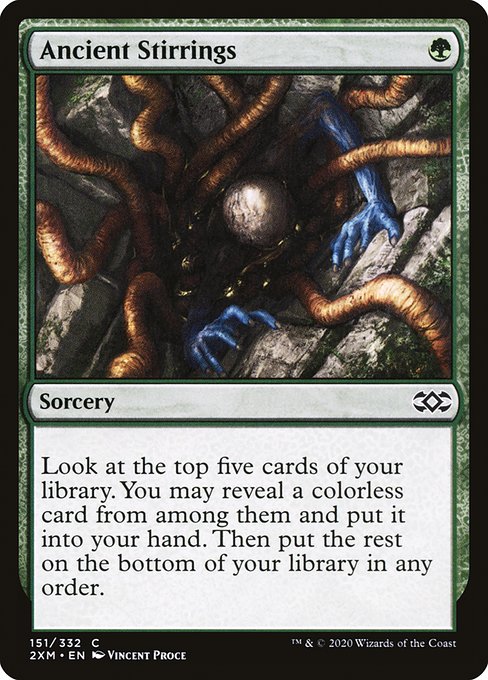
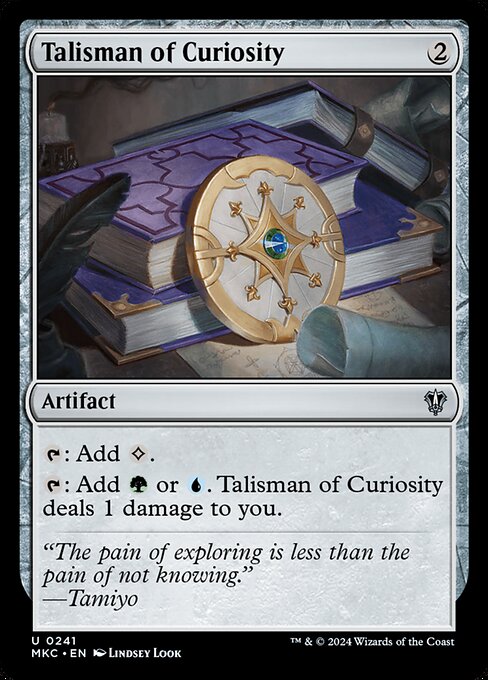
Prioritize roughly three mana sources, at least one true-colorless source, and one piece of permanent acceleration. finds a colorless bridge; , , , and seven Talismans make the deck begin on time.

Build mana that speaks every color. Cast one impossible thing. Pay {C}{C}. Turn the stack into an event horizon.
A consistency-first rebuild with a premium top end.
The deck is happiest when it spends the early turns on infrastructure, the middle turns on leverage, and only then reveals the truly unreasonable cards.
Prioritize roughly three mana sources, at least one true-colorless source, and one piece of permanent acceleration. finds a colorless bridge; , , , and seven Talismans make the deck begin on time.
, , , and Morophon convert setup into repeated discounts. Deploy only when the table cannot casually erase the investment—or when or can guard it.
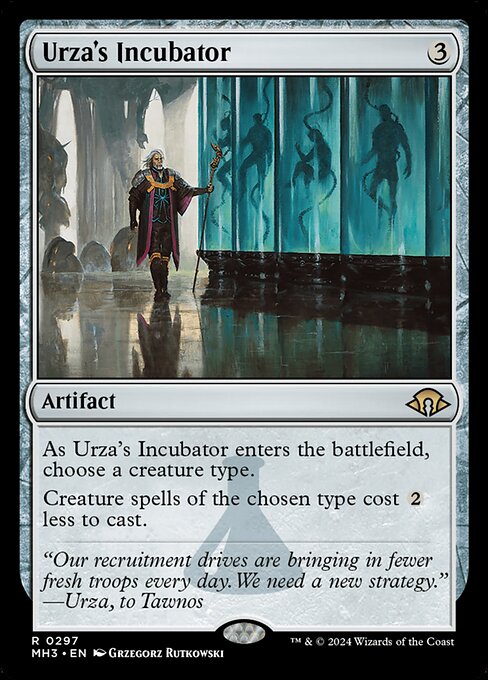
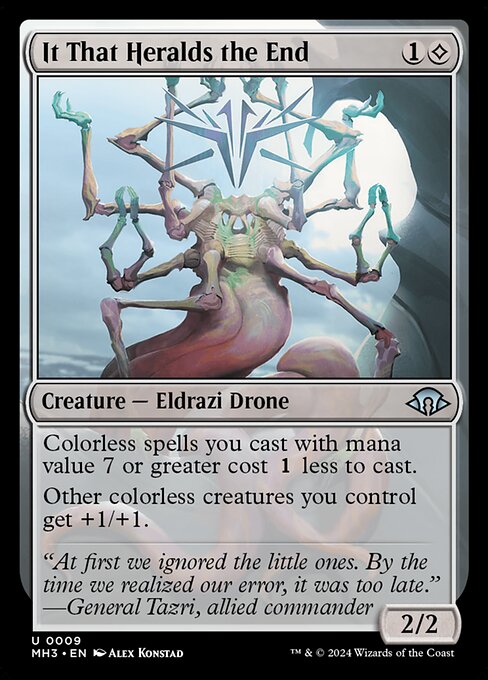
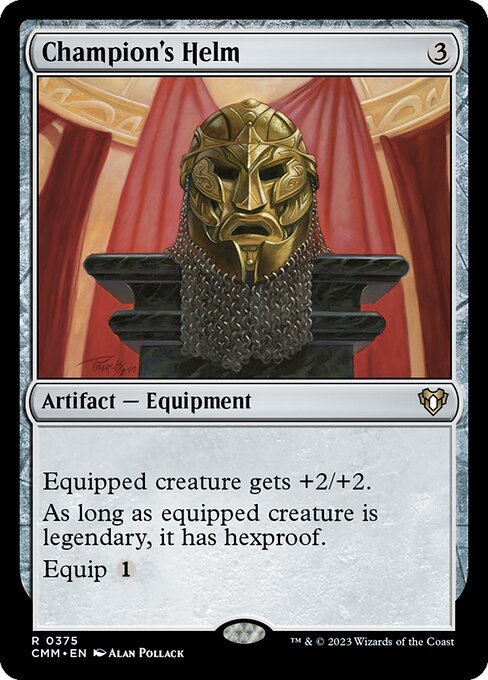
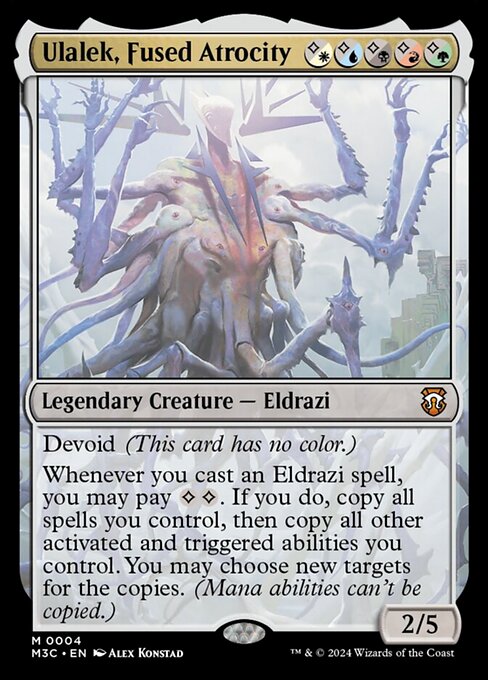
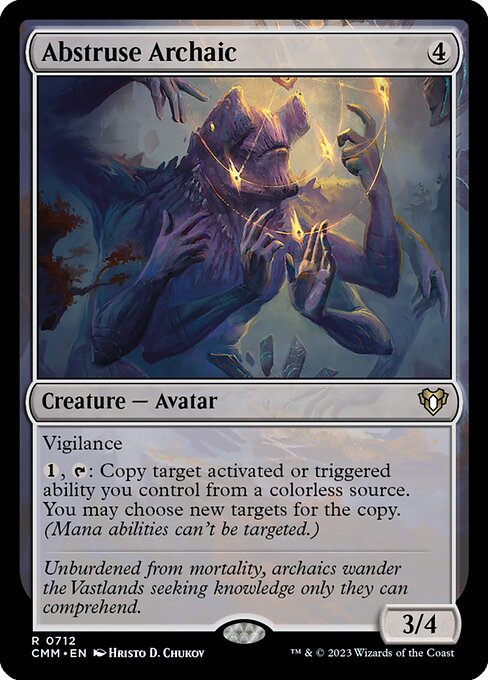
Lead with cast triggers and hold two colorless mana for . The commander copies what you already control on the stack, so sequencing matters more than speed. , , and make that stack wider.
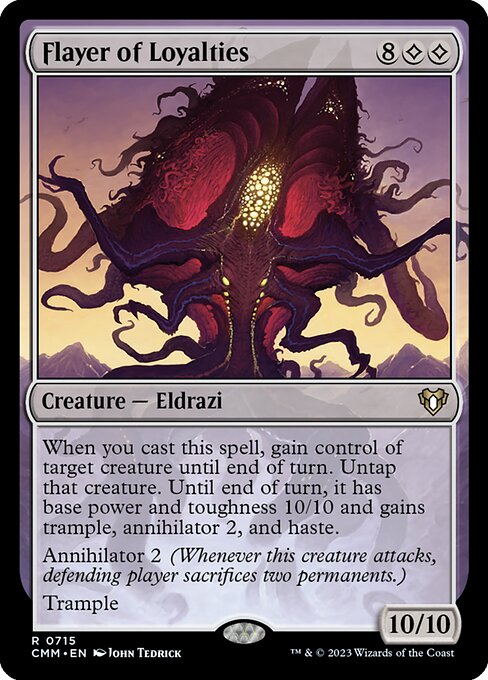
steals the best board, refills and polices the stack, and either Ulamog attacks resources at the root. Haste from turns a resolved titan into immediate pressure.
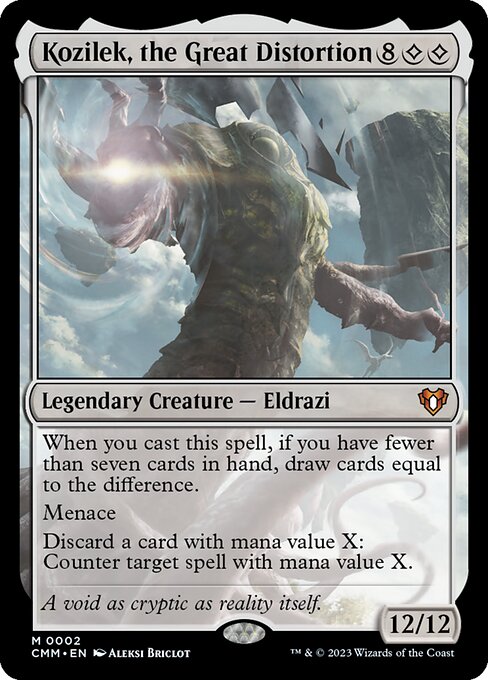
does not simply “double an Eldrazi.” It reads your side of the stack at the moment a paid trigger resolves. The spell, its cast abilities, and any engine triggers still waiting there are separate objects—and each can multiply differently.
Each Eldrazi cast creates one optional {C}{C} checkpoint. A paid trigger copies every spell you control, then every other non-mana activated and triggered ability you control that is still waiting on the stack.
Pay {1} and tap it while 's trigger is on the stack. The copied trigger resolves first and can copy the original trigger, preserving another checkpoint for the next {C}{C} payment.
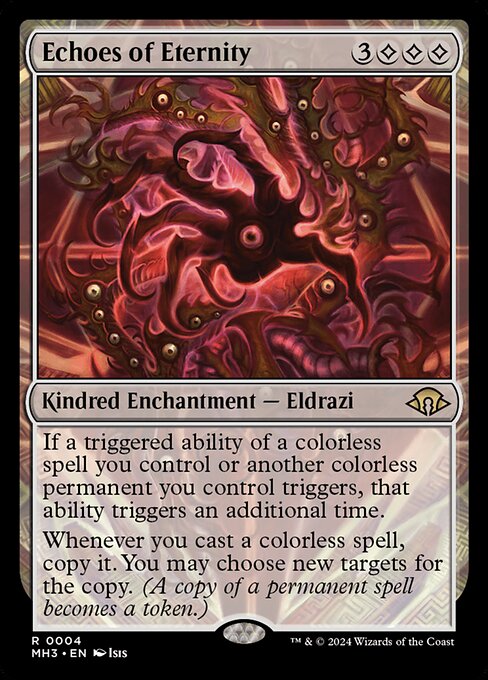
is another colorless permanent, so makes its ability trigger an additional time even for a colored Eldrazi spell. supplies its own spell-copy trigger only when that spell is colorless.
Choose Eldrazi. Its spell-copy trigger can wait below , allowing every paid trigger to copy that ability before it resolves. It also recognizes Kindred spells and changeling.
Example: . New copies are free; only the original cast, activation, and each chosen checkpoint consume mana.
Cast
One trigger waits above the spell
copies trigger
Decide only as that trigger resolves
Copy every pending spell, then every other pending non-mana ability. The original trigger is copied too.
Return to the next copied trigger and choose again.
The current trigger does nothing. Let copied spells and abilities resolve; eventually decline or pay any original trigger still waiting.
The copied Eldrazi spells are put directly on the stack; they are not cast, so they do not create fresh cast triggers. The growth comes from copying the trigger that was already waiting.
The clean baseline: a nonlegendary Eldrazi with no cast trigger.
{1}{G}{U} to cast · {1} + tap for · 5 × {C}{C} for
| State | Payment | Spells waiting | triggers | Other abilities |
|---|---|---|---|---|
| Setup | Setup | 1 | 2 | 0 |
| Copy 1 | {C}{C} | 2 | 2 | 0 |
| Copy 2 | {C}{C} | 4 | 2 | 0 |
| Copy 3 | {C}{C} | 8 | 2 | 0 |
| Copy 4 | {C}{C} | 16 | 2 | 0 |
| Copy 5 | {C}{C} | 32 | 2 | 0 |
After the paid line, decline the 2 remaining triggers. and then have no separate spell-copy abilities remaining. The result is 32 nonlegendary permanents: the original card and its token copies.
The same engine produces very different value depending on whether the payload is a spell, a cast trigger, a nonlegendary body, or all three.
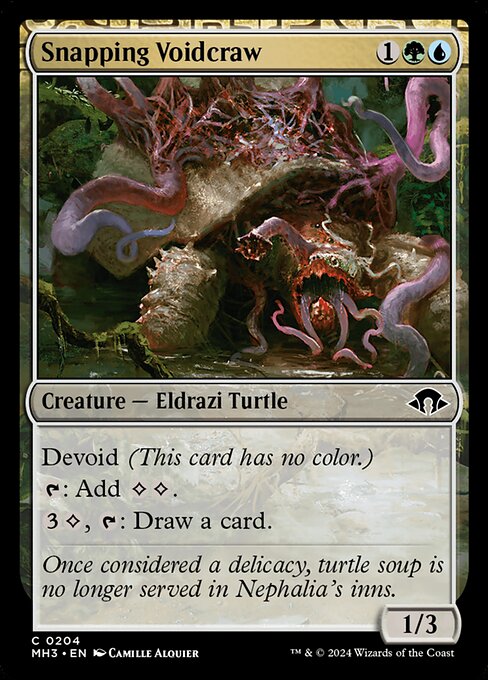
Nonlegendary, colorless through devoid, and free of cast triggers. It makes the sequence easy to count: each paid copied trigger doubles the pending spells.
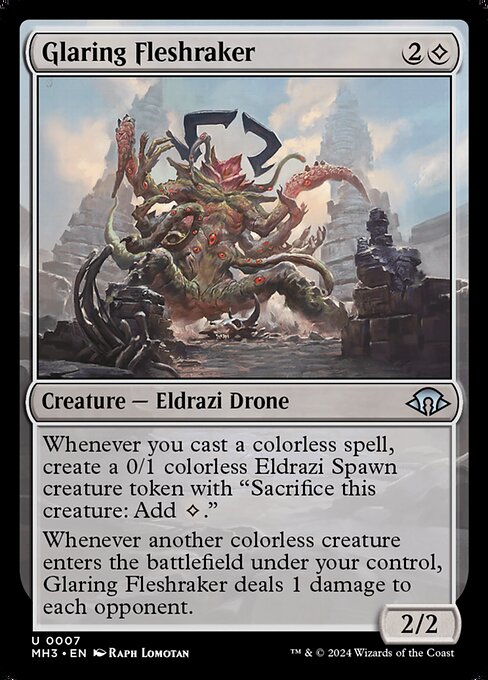
Resolving permanent-spell copies enter one at a time. With N Fleshrakers, the earlier bodies generate N × (N − 1) ÷ 2 damage triggers as the later ones enter; makes each of those triggers happen twice.
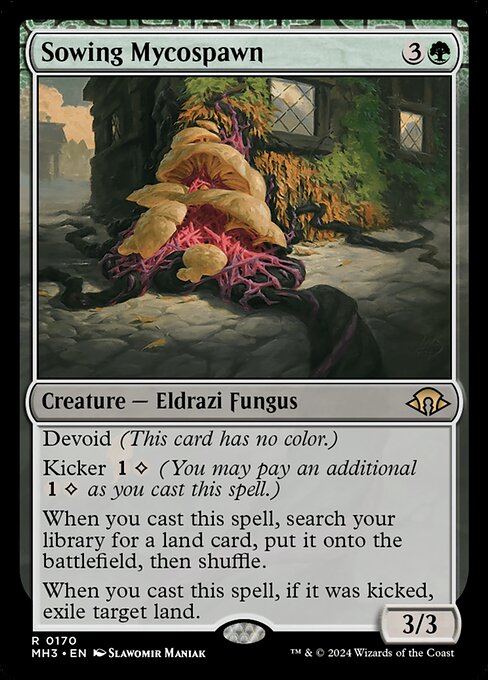
A spell copy remembers that the original was kicked. The copied spell is not cast again, but separately copies the land-search and kicked land-exile triggers already on the stack.
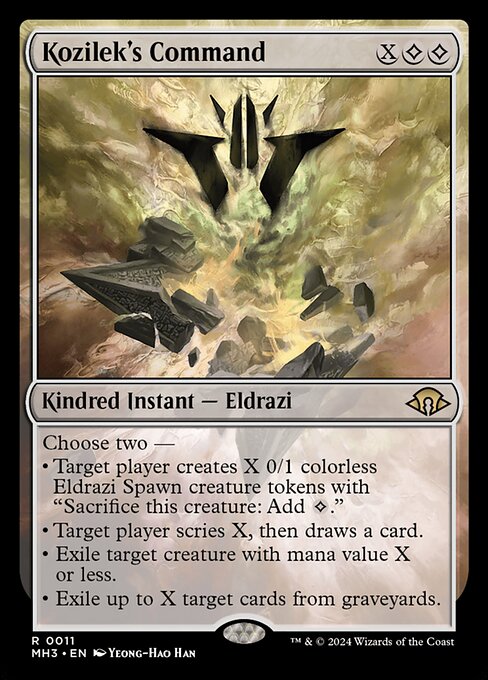
Every copy keeps the original value of X and the same two chosen modes. You may redirect legal targets, but a copy cannot choose different modes or pay a different X.
can multiply both the cast trigger and the permanent spell. is nonlegendary, so all resolving spell copies can remain as token bodies.
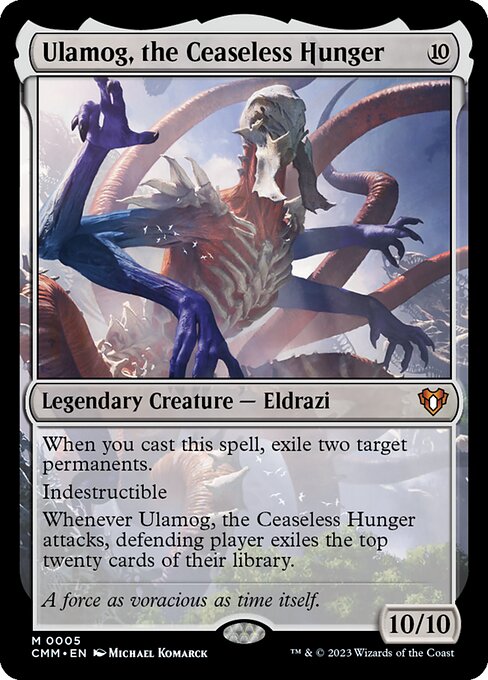
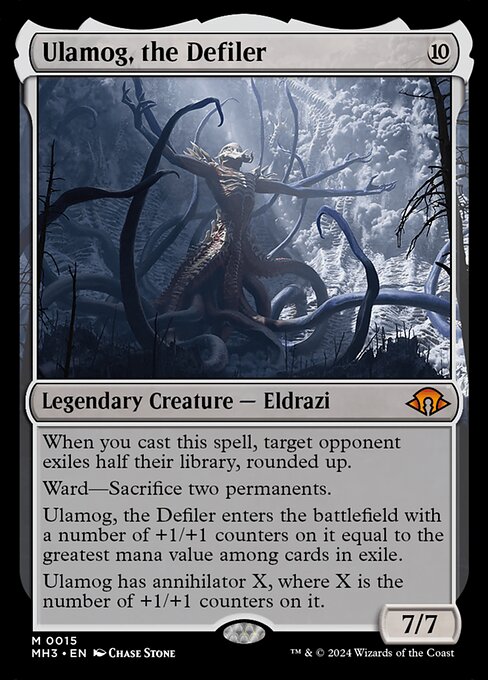
Every copied cast trigger still exiles two permanents. Copied Ulamog spells resolve as tokens, but state-based actions force all but one legendary Ulamog under your control to leave.

Changeling makes an Eldrazi spell, so and see it. Its white mana symbol means does not copy the spell directly—although still doubles 's trigger.
The card type and the card's color determine which triggers appear. Check both before building the stack.
, , and all see it.
and see changeling. does not copy the white spell, but it still doubles the triggered ability of , another colorless permanent.
copies it. and do not trigger from it.
Devoid makes it colorless for , but it has no Eldrazi type for .
No copied spell retriggers or a “when you cast this spell” ability. Only the original cast starts those abilities.
Modes, X, kicker status, and other additional-cost results carry into a spell copy. Legal targets may be changed when the effect permits it.
copies only spells and abilities still waiting when its trigger resolves. Resolve the valuable trigger too early and it is gone.
They enter as token copies but are not considered “created.” Legendary copies still meet the legend rule immediately afterward.
Players receive priority between resolving objects. Announce the stack order and each {C}{C} payment; opponents can respond before the next object resolves.
Every module solves a different problem: affordability, multiplication, inevitability, and keeping the commander alive long enough to matter.
, , , and shave generic costs across multiple turns; Morophon trims colored requirements instead. The goal is not merely an early titan—it is a turn where the titan and 's {C}{C} payment fit together.
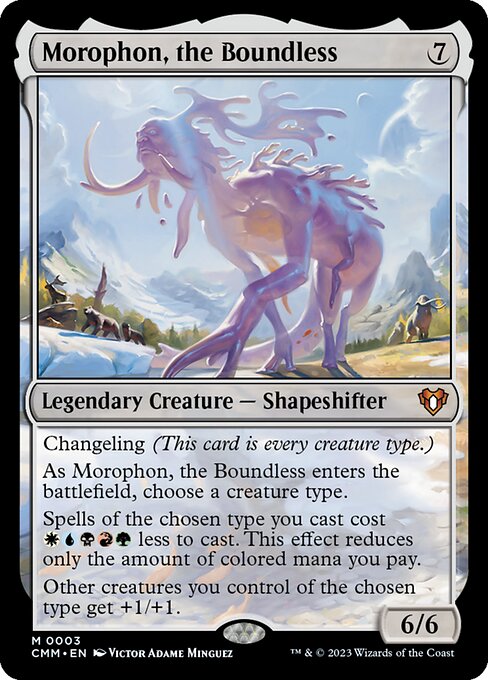
copies spells and abilities you control that are still waiting on the stack. adds more colorless-copy pressure; is strongest with nonlegendary creatures; turns the best activated or triggered ability into another resource.
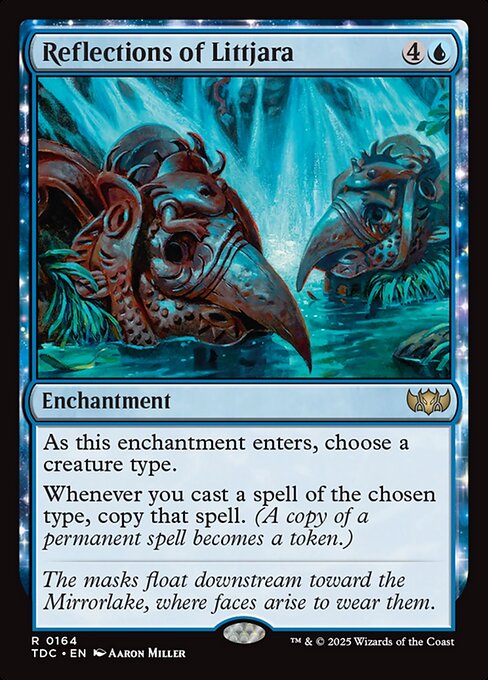
, , , and both Ulamogs put meaningful abilities on the stack when cast. is different: it is itself an Eldrazi spell, so can copy directly.
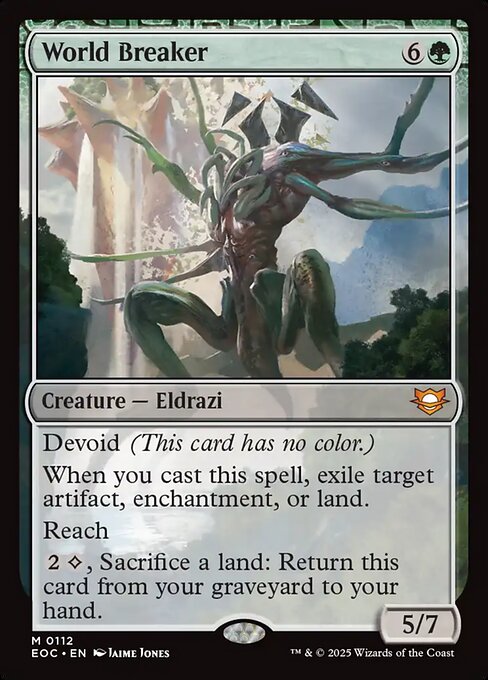
and make repeated commander taxes less likely, while and cover different removal windows. and let you spend mana after opponents commit first.

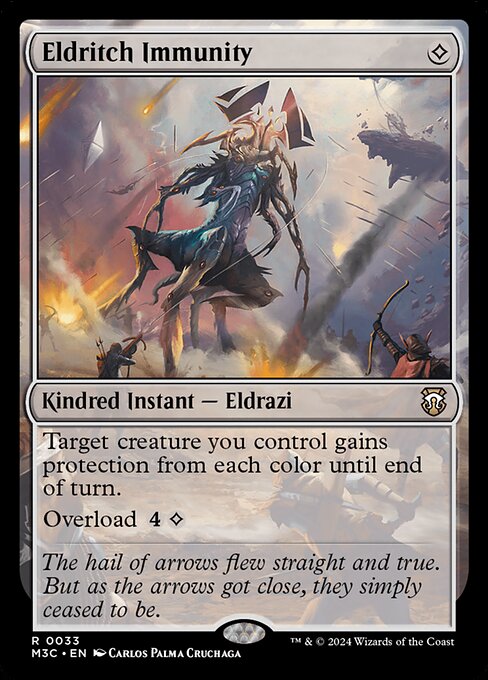
Computed from the complete 100-card Merne's Picks deck model and its committed Scryfall snapshot.
Two and three mana are the structural center. The four ten-drops are the reward for building that structure.
Green carries the heaviest colored demand; blue is second. Colorless requirements remain strategically distinct from color identity.
mana sources
accelerant
bridge card
Ship hands that begin with spectacle but cannot make five colors and colorless mana on schedule. A quiet hand with velocity is usually stronger.
The threat package is dense enough to keep topdecks live without crowding out setup.
The deck's second skeleton: fixing, acceleration, reduction, and protection.
Most spells feed the colorless engines, even when devoid lets them carry colored costs.
17 native cast-trigger abilities begin value before resolution—exactly where wants the action.
Enough gravity to reward the runway; not so much that every opener is stranded.
Search rules text, isolate a role, or open any card. The “39 from stock” view shows every card added to this build from outside the original precon.
Protect access to true colorless sources. A five-color land base can still fail if every source only makes colored mana.
separately copies the cast-trigger abilities already waiting on the stack; copied Ulamog or spells are not cast again, and duplicate legendary permanents will not remain together.
One reducer plus one copy engine is enough to demand an answer. Keep the second wave in hand and force the table to solve the deck twice.
This is upgraded, cast-trigger Eldrazi—not an infinite-combo deck. Annihilator and targeted land exile are still sharp tools, so tell the table what kind of void is arriving.